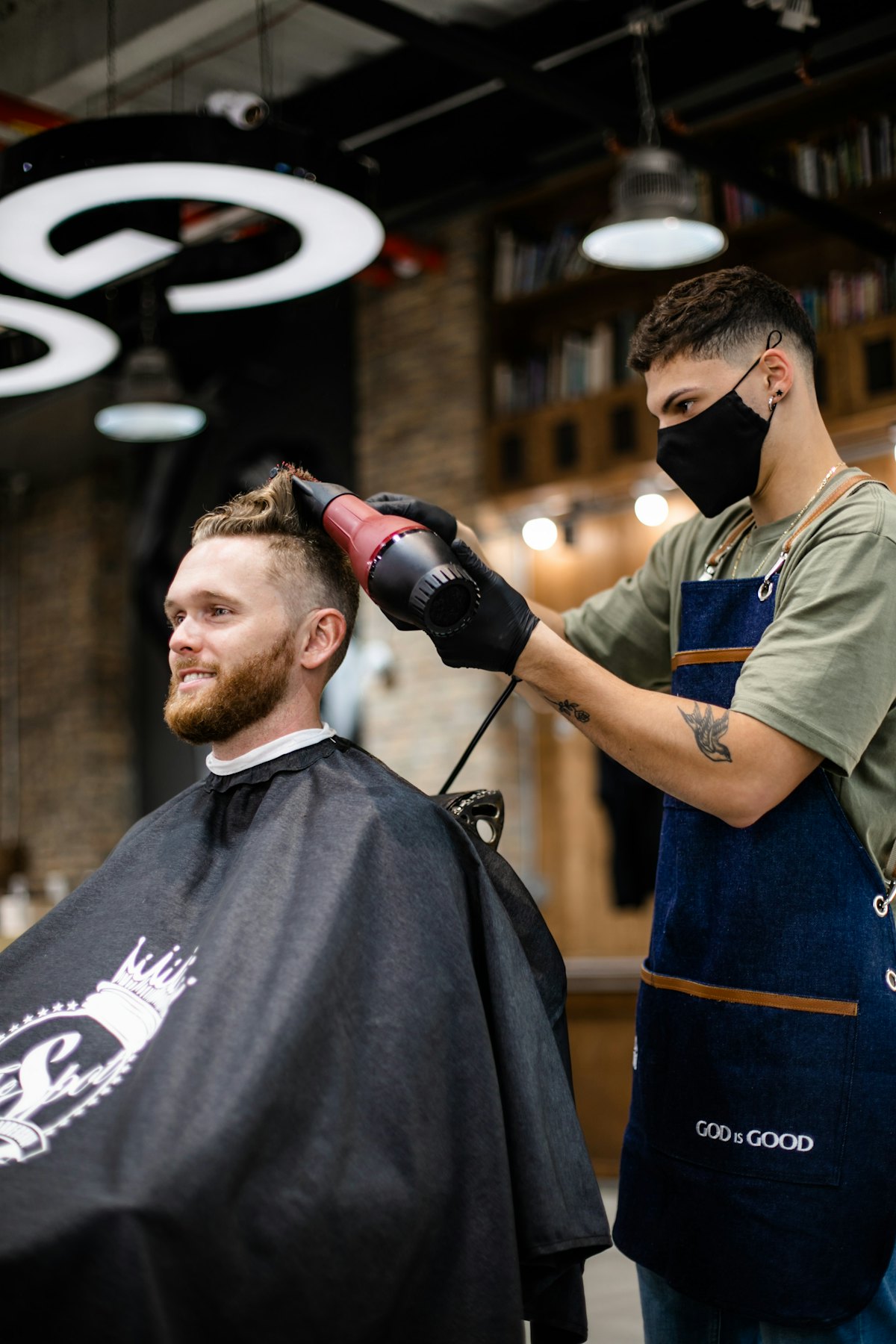
Stem Cell Therapy Explained: Modern Hair & Scalp Renewal
Curious about stem cells in regenerative aesthetics? Learn how cellular signaling works, what realistic results look like, and how modern clinics approach hair and tissue support.
Stem Cell Therapy Explained: Modern Hair & Scalp Renewal
Regenerative medicine has transformed how clinicians approach age-related tissue decline, aesthetic refinement, and hair thinning. While stem cell technology once sounded like science fiction, clinical understanding has matured significantly. Rather than viewing stem cells as an overnight fix, modern regenerative protocols recognize them as sophisticated biological messengers that support the body's natural restorative pathways.
For patients exploring options in Thailand's renowned medical wellness sector, understanding the underlying mechanisms of stem cells is the first step toward making informed health decisions.
---
What Are Stem Cells? The Foundations of Cellular Signaling
Stem cells are unspecialized precursor cells capable of self-renewal and differentiation into specialized cell types. However, in the context of aesthetic wellness and hair restoration, their most significant biological contribution is not necessarily transforming into new organs or tissues directly. Instead, modern science highlights their paracrine activity.
Paracrine signaling refers to the process where stem cells release vital biochemical messages into the surrounding microenvironment. These secretomes include:
- Growth factors: Proteins that promote cellular proliferation and blood vessel formation (angiogenesis).
- Cytokines: Signaling molecules that assist in regulating local tissue inflammation.
- Extracellular vesicles (Exosomes): Microscopic lipid packages carrying genetic instructions and proteins to neighboring cells.
In regenerative protocols, clinics commonly focus on mesenchymal stem cells (MSCs) derived from sources such as adipose (fat) tissue, peripheral blood, or ethically sourced umbilical cord tissue (Wharton’s Jelly), depending on local regulatory guidelines and therapeutic goals.
---
How Stem Cell Signaling May Support Hair Follicles
Hair thinning and androgenetic alopecia are characterized by the progressive miniaturization of hair follicles, shortened anagen (growth) phases, and localized micro-inflammation. Stem-cell-derived therapies target this biological cascade through several pathways:
1. Activating Dermal Papilla Cells
The dermal papilla sits at the base of the hair follicle and acts as the control center for hair cycling. Signaled by regenerative growth factors, dormant dermal papilla cells may be stimulated to transition from the telogen (resting) phase back into an active anagen phase.
2. Enhancing Microvascular Circulation
Miniaturized hair follicles often suffer from diminished microcirculation. Cytokines involved in vascular endothelial signaling may encourage healthy micro-capillary formation, supporting continuous nutrient and oxygen delivery to the scalp.
3. Modulating Scalp Inflammation
Chronic micro-inflammation around the follicular infundibulum contributes to premature follicle shedding. Regenerative signaling proteins can help soothe the scalp environment, potentially slowing the miniaturization cycle.
---
Clarifying Realistic Expectations
Because stem cell therapies represent advanced biotechnology, expectations must remain grounded in clinical reality. A responsible medical consultation clarifies both the possibilities and the limits of cellular treatments:
- Miniaturized vs. Depleted Follicles: Cellular therapies can be considered for reviving miniaturized, weak follicles that are still biologically viable. However, if an area is completely bald and scarred with no remaining follicle structures, regenerative therapy alone cannot regenerate a brand-new follicle out of vacant skin. In such instances, autologous hair transplantation remains the primary method for structural redistribution.
- Gradual Results: Cellular signaling requires time. Noticeable changes in hair density, hair shaft thickness, and scalp vitality generally develop gradually over several months.
- Complementary Modalities: Regenerative therapies are rarely performed in total isolation. They are often combined with supportive nutrition, targeted topical therapies, and lifestyle optimizations for a well-rounded outcome.
---
Safety Standards and Clinical Protocols in Thailand
Thailand continues to be a premier global destination for medical tourism and aesthetic longevity. When evaluating stem cell or regenerative therapies, ensuring safety and clinical excellence is paramount.
A professional clinic adheres to rigorous standards:
- Laboratory Certification: Cleanroom processing, sterility checks, and viability assessments ensure biological integrity.
- Qualified Specialists: Procedures should always be supervised or performed by licensed physicians experienced in dermatologic or regenerative medicine.
- Personalized Assessment: A thorough doctor consultation is recommended to assess your medical history, scalp condition, and suitability for treatment.
---
Moving Forward with Informed Care
Stem cell education allows individuals to look beyond marketing claims and appreciate the genuine potential of cellular rejuvenation. By understanding how cellular communication aids tissue repair, patients can approach hair wellness and longevity with clarity and confidence. If you are experiencing hair thinning or seeking proactive scalp health solutions, consulting a specialist provides the tailored roadmap necessary to achieve natural, sustained vitality.
Medical disclaimer
This article is for general information only and is not medical advice. Individual results may vary. Doctor consultation is recommended before starting any treatment, supplement or procedure.