Optimizing Your Hair Transplant Journey: Beyond the Procedure
A successful hair transplant goes beyond the surgical procedure. Explore how a holistic approach, integrating advanced wellness strategies and personalized care, can significantly optimize your results and accelerate recovery. This includes preparing your body and supporting long-term hair vitality.
Optimizing Your Hair Transplant Journey: Beyond the Procedure
While the hair transplant procedure itself is a pivotal step in restoring a fuller hairline, the true potential of your results is often unlocked through a comprehensive approach to pre- and post-operative care. In 2026, the landscape of hair restoration has evolved beyond mere surgical technique, embracing a holistic philosophy that integrates overall wellness, regenerative medicine, and personalized support to optimize outcomes and promote lasting hair health. At Hair Loss Clinic Thailand, we advocate for this integrated journey, recognizing that the health of your scalp and body directly influences the success and longevity of your transplanted hair.
The Pre-Transplant Phase: Preparing Your Foundation
Think of the pre-transplant period as preparing fertile ground for new growth. A healthy body and scalp environment can significantly enhance graft survival rates and promote quicker healing. This preparatory phase often involves several key considerations:
Nutritional Optimization
Proper nutrition plays a crucial role in cellular health and tissue repair. Before a hair transplant, focusing on a diet rich in essential vitamins, minerals, and proteins can bolster your body's healing capabilities. Key nutrients include biotin, zinc, iron, vitamins A, C, D, and E, and omega-3 fatty acids. A personalized nutritional plan, potentially guided by blood tests, can identify deficiencies and ensure your body is primed for the upcoming procedure and subsequent recovery.
Scalp Health Assessment and Treatment
An unhealthy scalp can hinder graft integration. Addressing issues like inflammation, excessive oiliness, or conditions such as seborrheic dermatitis before surgery can create a more conducive environment. Specialized scalp treatments, including therapeutic shampoos, conditioners, or even targeted laser therapy, may be recommended to optimize scalp health and circulation.
Lifestyle Adjustments
Reducing stress, ensuring adequate sleep, and avoiding smoking and excessive alcohol consumption are critical. These lifestyle factors impact overall health, circulation, and the body's ability to heal and regenerate, directly influencing the success of your transplant.
Post-Transplant: Nurturing Your New Growth
The period immediately following a hair transplant is crucial for graft survival and initial healing. However, the journey continues for months, focusing on supporting the growth of new hair and maintaining the health of existing follicles.
Regenerative Therapies for Enhanced Recovery
Modern hair restoration frequently incorporates regenerative therapies to support healing and stimulate growth. Platelet-Rich Plasma (PRP) therapy, for instance, involves injecting a concentration of your own platelets into the scalp. These platelets contain growth factors that may help accelerate tissue repair, reduce inflammation, and stimulate dormant hair follicles. Exosomes and other cell-free regenerative treatments are also emerging as advanced options to potentially enhance graft survival and promote robust hair growth.
Advanced Hair Care Regimens
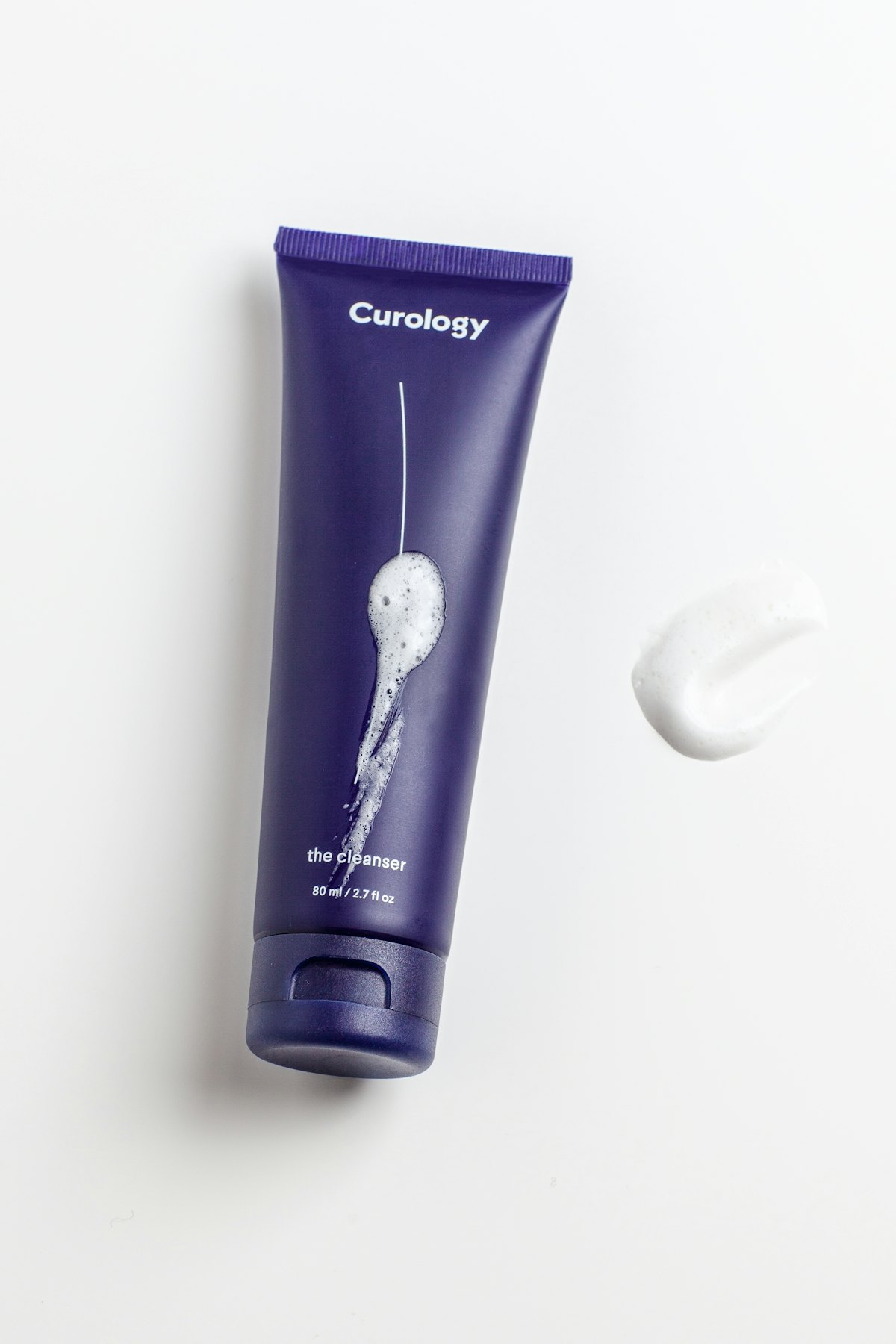
Beyond basic cleaning, a tailored hair care regimen is essential. This might include specialized shampoos and conditioners designed for sensitive post-transplant scalps, along with topical treatments containing ingredients like minoxidil or peptides, which may help stimulate growth and strengthen existing hair.
Hormonal Balance and Longevity
For many, hair loss is linked to hormonal factors. Addressing hormonal imbalances, particularly those related to androgens, can be a vital component of long-term hair preservation. A medical professional can assess your hormonal profile and recommend appropriate interventions, which might include specific medications or supplements, to support ongoing hair health and combat future thinning.
Wellness and Stress Management
Continued focus on overall wellness – including stress management techniques like mindfulness or meditation, regular exercise, and sustained healthy dietary habits – will contribute significantly to your body's ability to maintain hair health over the long term. Chronic stress is a known contributor to hair shedding, and managing it effectively can play a preventive role.
The Hair Loss Clinic Thailand Advantage: An Integrated Approach
At Hair Loss Clinic Thailand, we believe in empowering our patients with the most comprehensive care possible. Our approach extends beyond the operating room, integrating pre- and post-operative support that considers your unique physiology and lifestyle. We combine state-of-the-art hair transplant techniques with personalized wellness plans, advanced regenerative therapies, and expert guidance on nutrition and lifestyle. Our goal is not just to restore your hairline but to foster a foundation of health that supports vibrant, lasting results. A consultation with our specialists can help tailor an individualized plan, ensuring your hair transplant journey is as effective and successful as possible, leveraging the best of modern medical science and holistic wellness.
Medical disclaimer
This article is for general information only and is not medical advice. Individual results may vary. Doctor consultation is recommended before starting any treatment, supplement or procedure.