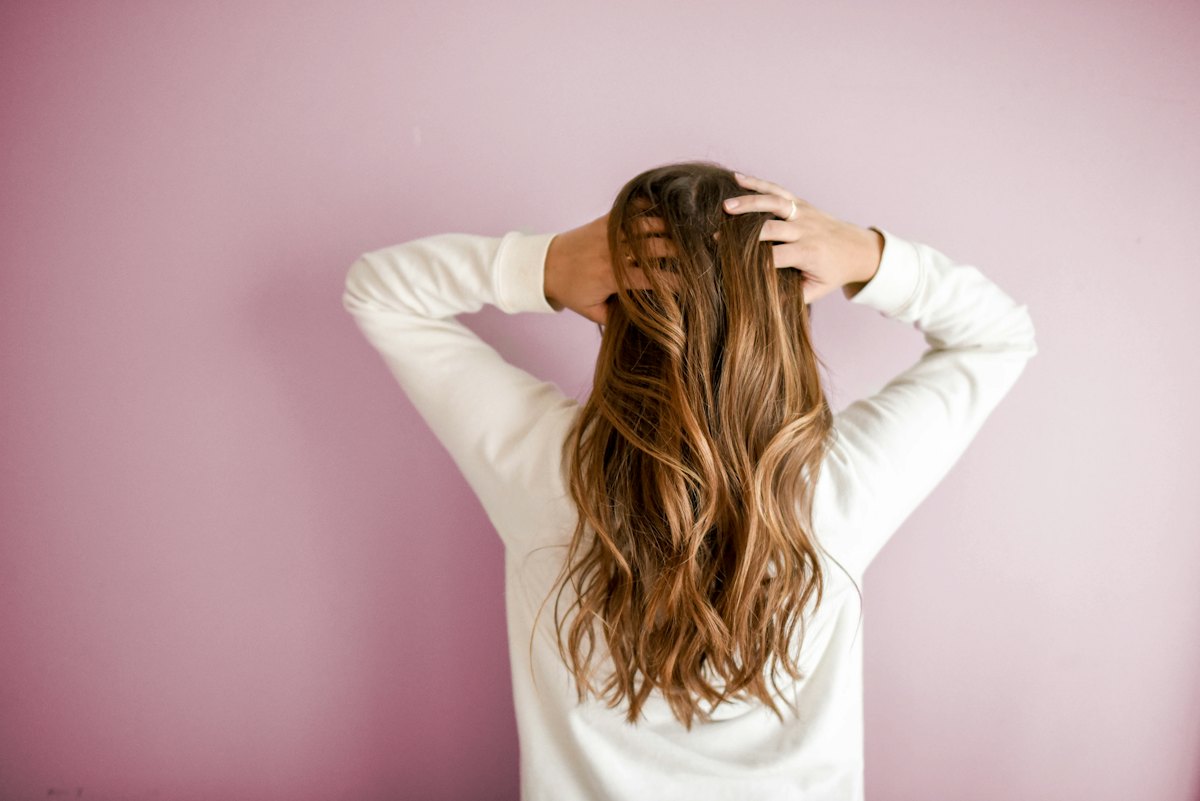
Longevity and Hair Health: The Link to Thicker Hair
In 2026, the conversation around hair health is evolving, increasingly linking it to broader principles of longevity and well-being. This article delves into how adopting a longevity-focused lifestyle may contribute to thicker, more resilient hair.
Longevity and Hair Health: Understanding the Connection in 2026
As we navigate 2026, the pursuit of a long and vibrant life extends beyond merely extending years; it encompasses enhancing the quality and vitality of every aspect of our being, including our hair. Increasingly, a robust body of research suggests a compelling link between overall longevity practices and the health of our hair. Thinning hair, while often perceived as a cosmetic concern, can sometimes signal deeper physiological processes at play. Understanding this connection is key to approaching hair health from a truly holistic perspective.
The Holistic View: Hair as a Biomarker of Well-being
In the realm of longevity, hair is often considered a visible biomarker of an individual's internal health and aging process. Just as skin elasticity or energy levels can reflect biological age, the density, texture, and growth cycle of our hair may offer insights into our systemic health. Factors commonly associated with accelerated aging, such as chronic inflammation, oxidative stress, and hormonal imbalances, are also frequently implicated in hair thinning and loss. Therefore, practices aimed at promoting healthy aging may concurrently support hair vitality.
Cellular Health and Hair Follicle Function
The foundation of healthy hair lies within the hair follicle, a complex mini-organ that cycles through growth, rest, and shedding phases. The health and regenerative capacity of these follicles are intimately tied to cellular health. Longevity research emphasizes maintaining cellular resilience, optimizing mitochondrial function, and protecting DNA integrity. When these cellular mechanisms are compromised due to factors like chronic stress or poor nutrition, hair follicles may struggle to perform optimally, leading to shorter growth phases, finer hair strands, and increased shedding. By supporting cellular health through longevity-focused interventions, we may help foster an environment conducive to robust hair growth.
The Role of Systemic Inflammation and Oxidative Stress
Chronic low-grade inflammation and oxidative stress are hallmarks of aging and are increasingly recognized as contributors to various health issues, including hair thinning. These processes can damage hair follicle cells, impair blood supply to the scalp, and disrupt the hair growth cycle. Longevity strategies often include dietary approaches rich in antioxidants, managing stress, and incorporating anti-inflammatory supplements, which may collectively work to mitigate these damaging effects on the scalp and follicles. A calmer, less inflamed internal environment can be supportive for hair health.
Lifestyle Pillars for Longevity and Hair Vitality
Adopting a lifestyle that prioritizes longevity can have far-reaching benefits, including those for your hair. Here are key pillars to consider:
1. Optimized Nutrition
A nutrient-dense diet is fundamental. Focusing on whole, unprocessed foods, a variety of fruits and vegetables (rich in vitamins, minerals, and antioxidants), lean proteins, and healthy fats may provide the building blocks and protective compounds essential for cellular repair and optimal hair follicle function. Specific nutrients like biotin, zinc, iron, and vitamins D and E are particularly relevant for hair health. A doctor or nutritionist consultation is recommended to assess individual nutritional needs.
2. Stress Management
Chronic stress can elevate cortisol levels, which in turn may negatively impact the hair growth cycle and potentially exacerbate certain types of hair loss. Incorporating stress-reducing practices such as mindfulness, meditation, regular exercise, adequate sleep, and spending time in nature can help modulate stress responses, thereby potentially supporting overall well-being and hair vitality.
3. Regular Physical Activity
Exercise promotes healthy circulation, including blood flow to the scalp, which is crucial for delivering nutrients and oxygen to hair follicles. It also helps manage stress, improve hormonal balance, and reduce inflammation, all of which are beneficial for hair health. Aim for a balanced routine that includes cardiovascular, strength, and flexibility exercises.
4. Quality Sleep
Sleep is a critical period for cellular repair and regeneration throughout the body, including the hair follicles. Poor sleep can disrupt hormonal balance and increase stress, potentially impacting hair growth. Prioritizing 7-9 hours of quality sleep per night is an important aspect of both longevity and hair care.
5. Hormonal Balance
Hormonal fluctuations and imbalances, particularly those involving androgens, thyroid hormones, and insulin, can significantly affect hair health. Longevity medicine often involves monitoring and optimizing hormone levels. Discussing any concerns about hormonal balance with a qualified medical professional is recommended, as appropriate interventions may help stabilize hair cycles.
The Future of Hair Health: Integrating Regenerative Approaches
As longevity science advances, so too does our understanding of regenerative approaches that may benefit hair. Techniques like PRP (Platelet-Rich Plasma) therapy, which harnesses the body's own growth factors, or emerging peptide therapies are gaining traction. These treatments, often part of a broader regenerative strategy, aim to stimulate dormant follicles and improve the scalp environment, potentially complementing lifestyle interventions. While these options show promise, a doctor consultation is recommended to determine suitability.
Embracing a longevity-focused lifestyle is not just about extending life; it's about enriching it, and this includes nurturing your hair from the inside out. By prioritizing cellular health, managing systemic stressors, and adopting supportive daily habits, you may contribute significantly to maintaining thicker, healthier hair for years to come.
Medical disclaimer
This article is for general information only and is not medical advice. Individual results may vary. Doctor consultation is recommended before starting any treatment, supplement or procedure.