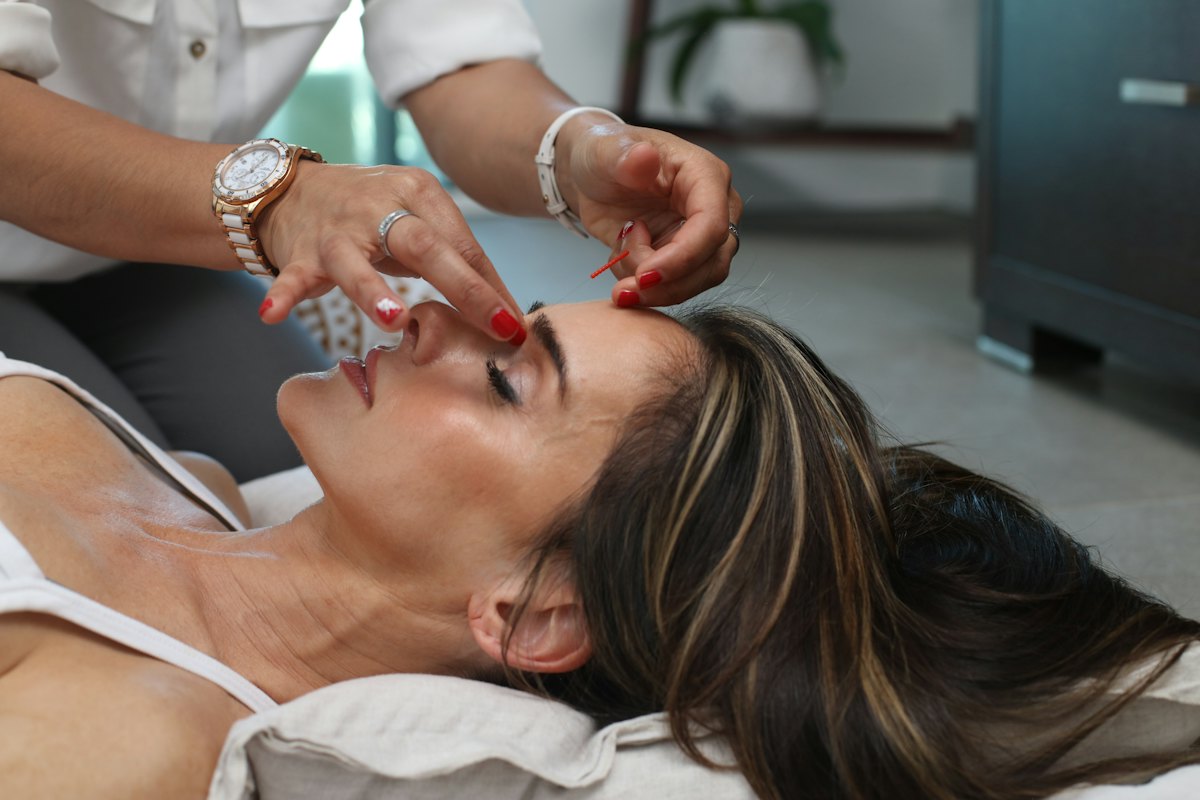
Collagen & Elastin: The Duo for Youthful Hair & Skin
Often discussed in anti-aging circles, collagen and elastin are fundamental proteins that play a vital role in maintaining the strength and elasticity of both our hair and skin. Understanding their mechanisms can help you make informed choices for your wellness journey.
The Power Duo: Collagen and Elastin for Thriving Hair and Skin
In the continuous pursuit of vitality, the spotlight often falls on key foundational elements. Among these, collagen and elastin stand out as critical proteins that contribute significantly to the structural integrity and aesthetic appeal of our hair and skin. While collagen often receives more attention, elastin is its equally important counterpart, working in tandem to support a youthful appearance and healthy physiology.
Understanding Collagen: The Body's Scaffolding
Collagen is the most abundant protein in the human body, serving as the primary building block for skin, hair, nails, bones, tendons, and ligaments. Think of it as the 'scaffolding' that provides strength, structure, and firmness to tissues. For the skin, collagen forms a robust fibrous network that helps maintain its plumpness and reduces the appearance of fine lines and wrinkles. In the context of hair, collagen is found in the dermis, the middle layer of the skin where hair follicles reside. It provides the structural support necessary for healthy hair growth, influencing hair strength and elasticity.
There are numerous types of collagen, but types I, II, and III are the most prevalent in the body. Type I is prominent in skin, hair, and nails, offering tensile strength, while Type III is often found alongside Type I, contributing to skin elasticity and vessel health.
Factors Affecting Collagen Production
As we age, the natural production of collagen begins to decline, typically starting in our mid-20s. This reduction leads to common signs of aging like decreased skin elasticity, sagging, and more brittle hair. Other factors that can accelerate collagen degradation include:
- UV Radiation: Prolonged sun exposure can damage collagen fibers.
- Smoking: Nicotine and other chemicals in cigarettes can impair collagen synthesis and boost its breakdown.
- Poor Nutrition: A diet lacking essential nutrients, especially vitamin C, zinc, and copper, can hinder collagen production.
- Stress: Chronic stress may contribute to inflammation, which can degrade collagen.
The Role of Elastin: The Skin's Spring and Flex
While collagen provides strength, elastin, as its name suggests, provides elasticity. It's a protein that allows tissues to stretch and then return to their original shape, much like a rubber band. This quality is crucial for skin to bounce back after stretching or facial expressions, preventing permanent creasing and sagging. For hair, elastin contributes to its flexibility, reducing breakage and improving resilience against damage.
Elastin is primarily produced by cells called fibroblasts and is especially abundant in tissues that require significant stretch, such as the skin, lungs, and blood vessels. Unlike collagen, which is continuously synthesized and broken down throughout life, elastin production largely ceases after puberty. Any damage to elastin fibers is often permanent, making its preservation even more critical.
Protecting and Supporting Elastin
Since new elastin production is minimal in adulthood, protecting existing elastin is paramount. Strategies include:
- Sun Protection: As with collagen, UV radiation is a major enemy of elastin, causing photodamage.
- Antioxidant-Rich Diet: Consuming foods rich in antioxidants can help neutralize free radicals that degrade elastin.
- Avoiding Harmful Habits: Smoking significantly damages elastin, contributing to premature aging.
Nutritional Strategies to Support Collagen and Elastin
While direct consumption of collagen and elastin won't make them magically reappear in your skin and hair (as they are broken down into amino acids during digestion), providing your body with the necessary building blocks and cofactors can support your body's natural synthesis processes.
- Protein-Rich Foods: Ensure adequate intake of high-quality protein from sources like lean meats, fish, eggs, dairy, legumes, and nuts. These provide the amino acids (e.g., glycine, proline, hydroxyproline) needed to build collagen and elastin.
- Vitamin C: This vitamin is absolutely critical for collagen synthesis. It acts as a cofactor for enzymes involved in collagen production. Citrus fruits, berries, bell peppers, and leafy greens are excellent sources.
- Copper: Essential for the enzyme lysyl oxidase, which cross-links collagen and elastin fibers, providing strength and elasticity. Found in nuts, seeds, shellfish, and organ meats.
- Zinc: Involved in collagen synthesis and repair. Sources include oysters, beef, poultry, beans, and nuts.
- Anthocyanins: These potent antioxidants, found in berries, purple grapes, and pomegranates, may help protect collagen fibers from degradation.
- Silica: This trace mineral is believed to play a role in collagen formation and strengthening hair. Found in oats, barley, and some vegetables.
- Astaxanthin: A powerful carotenoid antioxidant that may help protect collagen and elastin from UV damage. Found in seafood like salmon and shrimp, or as a supplement.
Beyond Nutrition: Lifestyle for Hair and Skin Health
Beyond a thoughtful diet, several lifestyle practices can help preserve and support collagen and elastin:
- Hydration: Drinking sufficient water is crucial for skin elasticity and overall cellular health.
- Adequate Sleep: During sleep, the body undergoes repair and regeneration processes, including protein synthesis.
- Stress Management: Chronic stress elevates cortisol, which can negatively impact collagen.
- Topical Skincare: Ingredients like retinoids, vitamin C, and peptides can support skin health and stimulate collagen production topically.
Maintaining healthy levels of collagen and elastin is a holistic endeavor, combining smart nutrition with mindful lifestyle choices. While the natural aging process inevitably brings changes, supporting these fundamental proteins can certainly contribute to more resilient hair and vibrant skin as you progress through life. Remember, a doctor consultation is recommended before making significant dietary or supplement changes, especially if you have underlying health conditions.
Medical disclaimer
This article is for general information only and is not medical advice. Individual results may vary. Doctor consultation is recommended before starting any treatment, supplement or procedure.